Intralogistics
Robotic labor for intralogistics inside existing buildings
Logibot supports logistics and industrial operators automating floor-level intralogistics work, inside warehouses, sorting centers, and industrial facilities that are already running.
Built for real buildings, real constraints, and shared human–machine environments.

Intralogistics reality
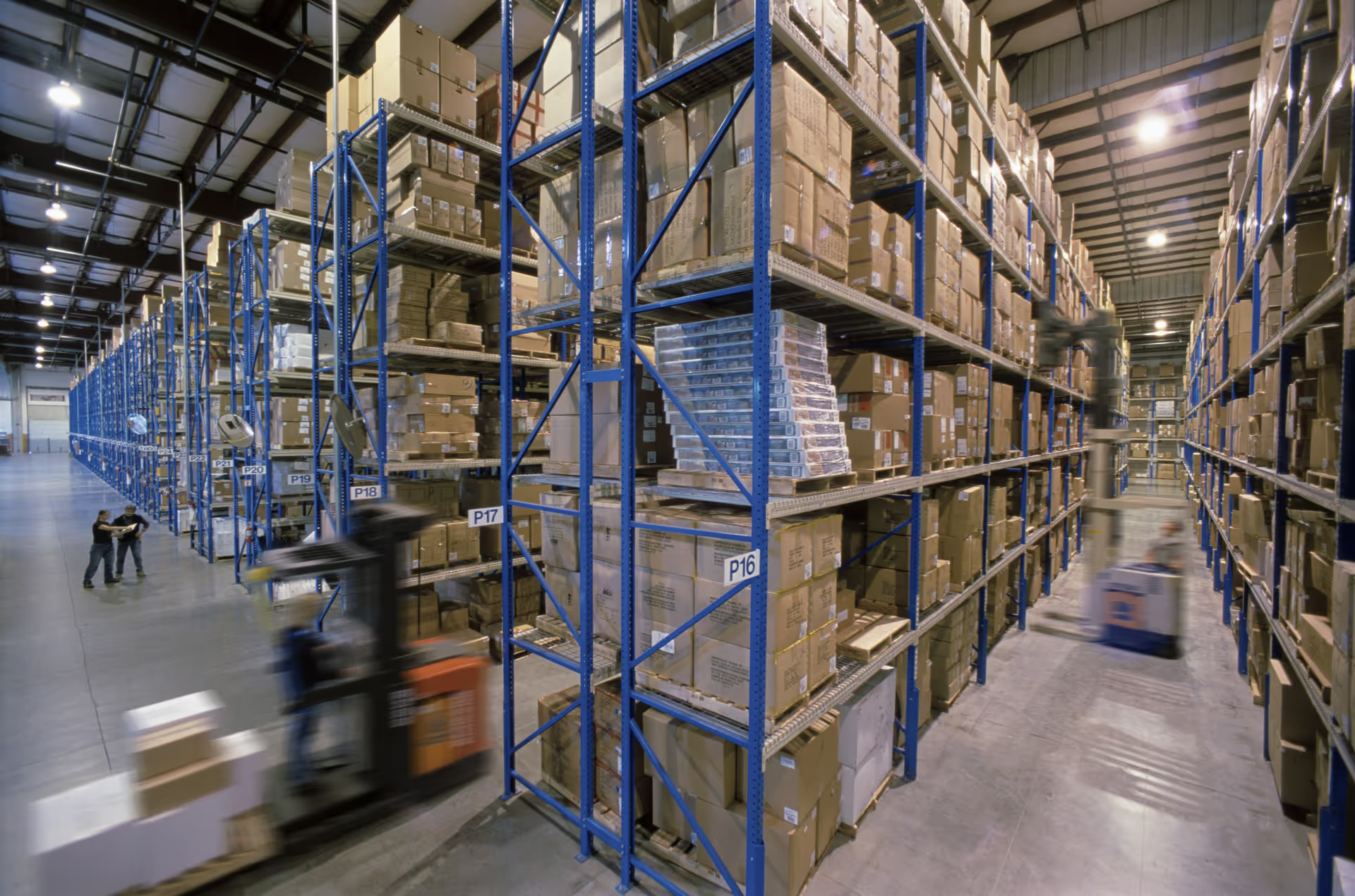
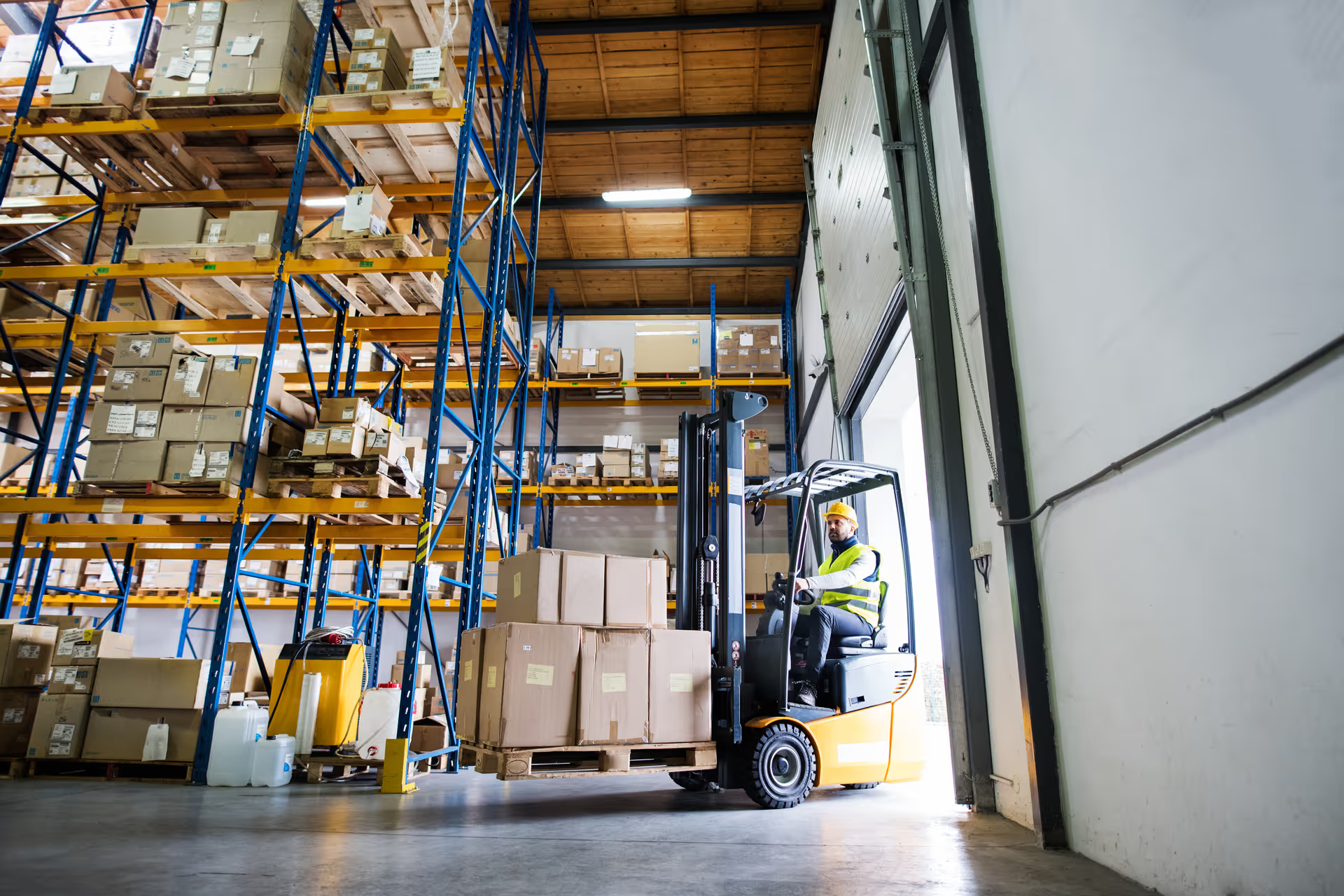
Intralogistics is where logistics becomes physical:
- Continuous movement of goods inside buildings
- Repetitive, floor-level manual tasks
- Tight uptime and safety constraints
- Operations running in existing, often legacy facilities
These environments are not greenfield.
They are dense, mixed, and difficult to redesign.
Why labor & automation are hard
Across intralogistics-heavy environments, operators face the same challenges:
- Chronic shortages of blue-collar labor
- High turnover in physically repetitive roles
- Rising labor and interim staffing costs
- Strong dependency on manual handling for core flows
At the same time, automation is risky:
- Many solutions assume full redesigns
- Fixed systems lack flexibility
- Robotics vendors are biased toward their own hardware
- Integration projects are long and brittle
Operators are stuck between labor pressure and automation risk.
Tasks under the most pressure
The most labor-intensive intralogistics tasks include:
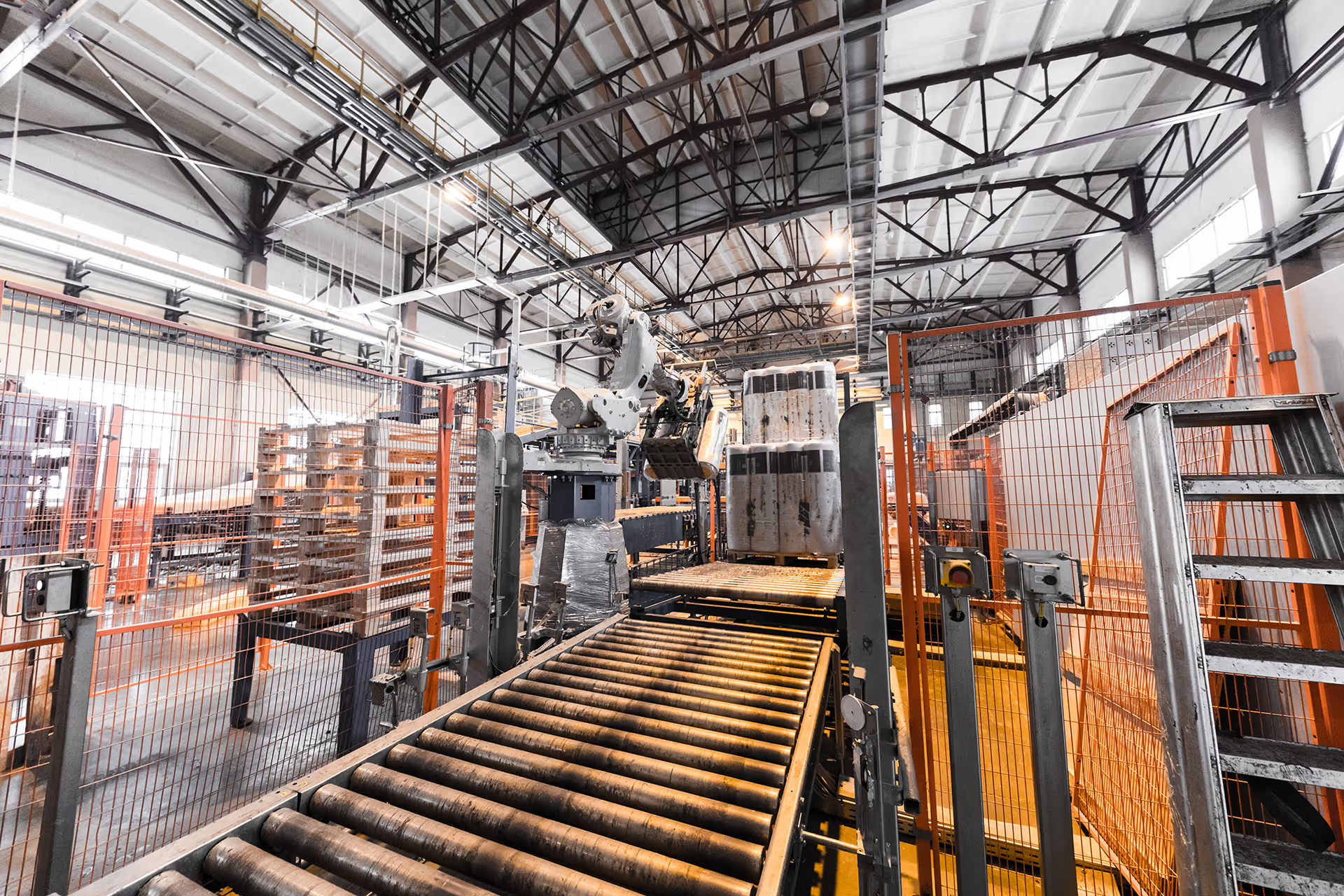
- Transferring goods between conveyors, cages, racks, or trolleys
- Sorting items into destinations or zones
- Handling exceptions (damaged, misrouted, non-standard items)
- Short-distance repetitive transport inside facilities
- Manual handover between systems
These tasks are:
- Physically demanding
- Repetitive
- Hard to staff reliably
- Difficult to automate with fixed systems
How Logibot fits intralogistics
Logibot acts as a software layer between operations and robots to make intralogistics automation manageable:
- Starts with data and simulation, not hardware
- Validates feasibility and economics before deployment
- Deploys human-compatible robots in shared spaces
- Keeps humans in the loop for exceptions and continuity
- Scales incrementally, task by task
Logibot does not replace WMS or WCS.
It works with existing systems and processes.
Business outcomes
What intralogistics operators typically gain
With a controlled, operations-first approach, operators can achieve:
- Reduced dependency on scarce manual labor
- Greater operational stability
- Faster time to first automation
- Lower integration and vendor lock-in risk
- The ability to start small and scale only when value is proven
Automation becomes a defensible operational decision.
Why Logibot works for intralogistics
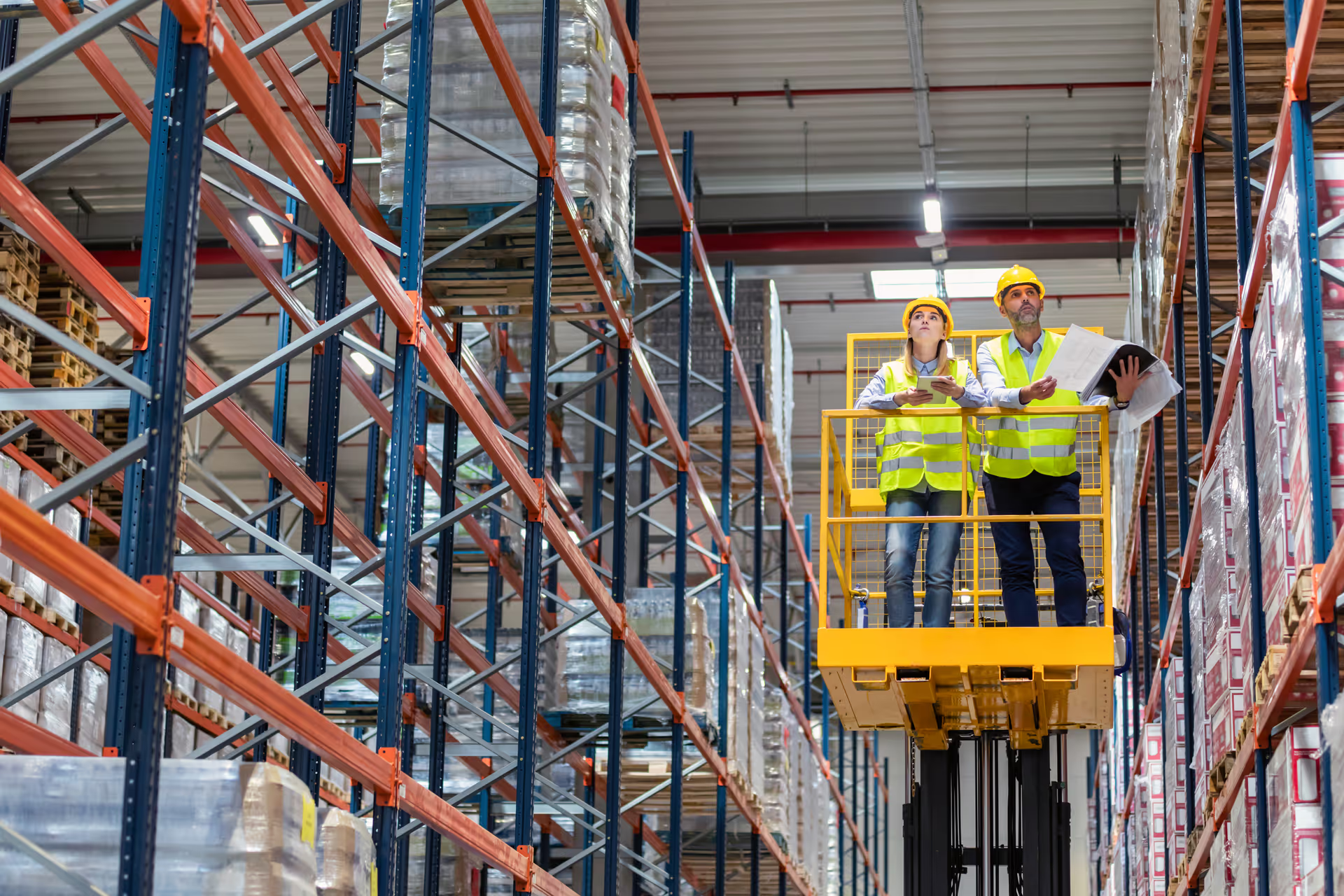
Built for inside buildings
Logibot fits intralogistics environments because it is:
- Designed for existing facilities, not greenfield sites
- Simulation-first, reducing risk before deployment
- Human-in-the-loop by design
- Hardware-agnostic, preserving long-term flexibility
It assumes mixed workflows, variability, and real constraints from day one.